

In fine dining, a great wine pairing transcends simple rules to create a balanced, intentional journey that reshapes the entire culinary experience. Rather than following a fixed formula, a skilled sommelier reads the rhythm of the meal and the guest’s preferences to guide a conversation between food and wine. This expert service ensures the pairing does more than accompany a dish – it elevates the meal into a cohesive and memorable event.
What Is Wine Pairing?
In fine dining, wine pairing means matching wine to a dish – or to an entire menu – in a way that improves balance, flow, and enjoyment. It is not only about “what tastes good together,” but also about how the structure of the wine interacts with the structure of the food, and how the sequence of pairings shapes the whole meal.
Wine pairing in fine dining and the role of a sommelier
A sommelier’s role goes far beyond pouring wine. Michelin notes that what is in your glass should tell its own story and complement what is on the plate, not compete with it. Inspectors also describe strong sommeliers as people who begin with a conversation – asking about taste, budget, and preference – then tailoring the experience accordingly.
That matters because the pairing is part of the meal’s architecture. A sommelier helps choose wines that suit the food, but also helps decide pacing, progression, and tone. In other words, they are helping create the flow of the evening, not just the drink list.
Why wine pairing is subjective and experience-driven
There is no single “correct” pairing for every diner. Michelin’s inspectors explicitly say there is no one-size-fits-all approach, and that a good sommelier adjusts based on what the guest usually enjoys – sour, sweet, light, bold, or something in between.
That is why wine pairing should be understood as guided, not rigid. Principles matter, but personal taste, cultural habits, spice tolerance, and even mood all shape what feels right at the table. A pairing can aim for harmony or contrast, and both can work when the experience is thoughtfully built.
What Are the Core Principles of Wine Pairing?
At its core, wine pairing works through three things: structure, flavour, and mouthfeel. WSET’s pairing framework highlights the major wine and food components that matter most: sweetness, acidity, tannin, alcohol, fruitiness, umami, salt, bitterness, chilli heat, fat, and flavour intensity.
Structure of a dish in wine pairing
The first step is to understand what the wine is doing in the mouth. WSET describes acidity as something that makes your mouth water, while tannins create a drying sensation. Those structural elements become useful when they meet the right food. Salt and fat, for example, can soften a wine’s acidity and tannin, making a firm red feel smoother and fruitier.
That is why classic pairings often work so reliably. A salty, fatty rib-eye can soften a tannic red. High-acid whites can cut through shellfish and lemon-dressed seafood. Slight sweetness can calm chilli heat. Lower-tannin wines are often safer with spicy or umami-heavy dishes because tannin can become harsher in those contexts.
Balancing flavours and texture for a harmonious pairing
Once structure is clear, the next question is whether to create harmony or contrast. Acidity can cleanse richness. Sweetness can soften spice. Lower tannin can avoid overpowering delicate seafood or umami-rich food. Meanwhile, a fuller body and stronger flavour intensity can help a wine stand up to richer meat dishes.
Texture matters too. Sparkling wines work well with fried foods partly because the bubbles and acidity keep the palate fresh. Leaner fish often need softer, rounder wines, while fattier fish can handle more acid and structure. Umami-rich foods such as mushrooms, broths, and aged ingredients often need careful handling because they can make wines feel more bitter and less fruity.
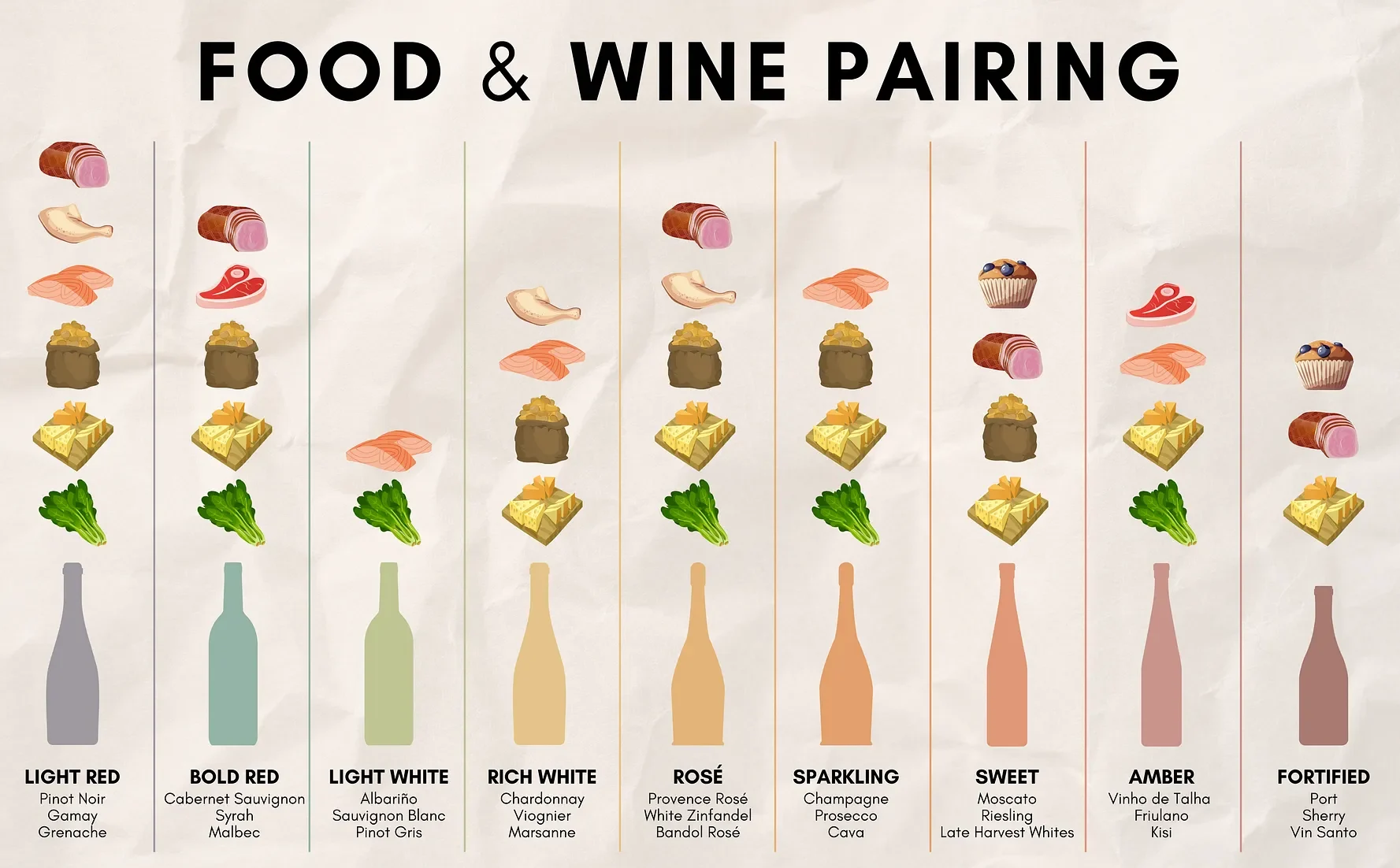
Wine pairing chart for food and wine combinations
Use this as a flexible reference, not a strict rulebook:
- Fatty, salty meat → tannic, high-acid reds
Example: rib-eye with Barolo-style wines or other structured reds, because salt and fat soften tannin. - Shellfish and simply cooked seafood → high-acid whites
Example: oysters with Muscadet, Champagne, Albariño, Gavi, or Chablis. - Spicy dishes → lower-alcohol, lower-tannin wines with some sweetness
Example: off-dry Riesling, Gewürztraminer, or demi-sec Vouvray. - Umami-rich dishes → high-acid, lower-tannin wines
Example: Pinot Noir, Gamay, Riesling, or Sauvignon Blanc with brothy, mushroom-rich, or duck-based dishes. - Fried starters → sparkling wines
Example: Prosecco, Cava, Champagne, or Crémant to refresh the palate. - Rich desserts → sweeter wines
Example: Sauternes as a finale when the meal calls for a richer, sweeter finish.
Practical Wine Pairing Examples
The easiest way to understand pairing is to see it in familiar food categories.
Pairing with meat, seafood, and vegetarian dishes
For meat, tannin often works well with protein and fat. WSET uses steak and tannic red wine as a classic example, because salt and fat help soften the wine’s structure. Michelin’s Vietnamese pairing guide also suggests Merlot with bò kho, where the wine’s velvety tannins match the dish’s richness and aromatics.
For seafood, acidity is often the key. Michelin’s sushi guidance notes that fatty fish often benefits from higher acidity, while leaner fish tends to suit softer wines. Its Vietnamese pairing guide also recommends sparkling wine for bánh xèo and pho bò, and warns against overly tannic reds with broth-based or delicate dishes.
For vegetable-forward dishes, the answer depends on whether the plate leans earthy, creamy, bitter, or spicy. WSET notes that herb-heavy and spinach-based dishes can work well with bright, high-acid whites such as Sauvignon Blanc, while tomato-based vegetable dishes can handle fruit-forward, lower-tannin reds.
Pairing based on flavours
If a dish is rich and creamy, acidity usually helps. If it is salty and fatty, tannin and acid can feel smoother and more integrated. If it is spicy, slight sweetness and lower alcohol often make the pairing more comfortable. If it is umami-heavy, lower tannin and enough acidity are usually safer.
That is also why sommeliers often think in flavours before categories. “Seafood” alone is too broad; raw fatty tuna, grilled lobster with butter, and crab in an aromatic sauce are very different pairing problems. In many Asian dishes, Michelin sommeliers even emphasize that the sauce can matter more than the protein.
How Sommeliers Build Wine Pairings
A sommelier usually works in stages. The process looks intuitive from the dining room, but it is often quite structured behind the scenes.
Step 1: Understanding the dish and its key elements
The first question is what defines the dish: the protein, the sauce, the spice level, the cooking method, or the garnish. WSET’s pairing framework is useful here because it directs attention to fat, salt, sweetness, acidity, bitterness, umami, and chilli heat rather than just broad food labels. That is why two dishes built around the same main ingredient can call for completely different wines. A lightly dressed scallop starter and a rich shellfish sauce may both be “seafood,” but their structure and flavour intensity are not the same.
Step 2: Defining the pairing direction and balance
Once the dish is understood, the sommelier decides whether to create harmony or contrast. Harmony means echoing the dish’s style – for example, matching delicacy with delicacy or aromatic spice with aromatic wine. Contrast means using acidity to cut richness, sweetness to calm spice, or freshness to lift a heavy dish. Neither approach is inherently better. The point is to make the next bite and the next sip feel better together than they do separately. Michelin’s inspectors frame this well: the drink should support the plate, not compete with it.
Step 3: Structuring the wine pairing progression across the menu
For multi-course dining, pairing is also about progression. Michelin inspectors talk about flow and flavour across courses, and that applies to wine as much as food. A strong pairing sequence usually moves from lighter to richer and from brighter to deeper styles as the menu develops.
Wine Pairing at Le Comptoir: A Refined Dining Experience
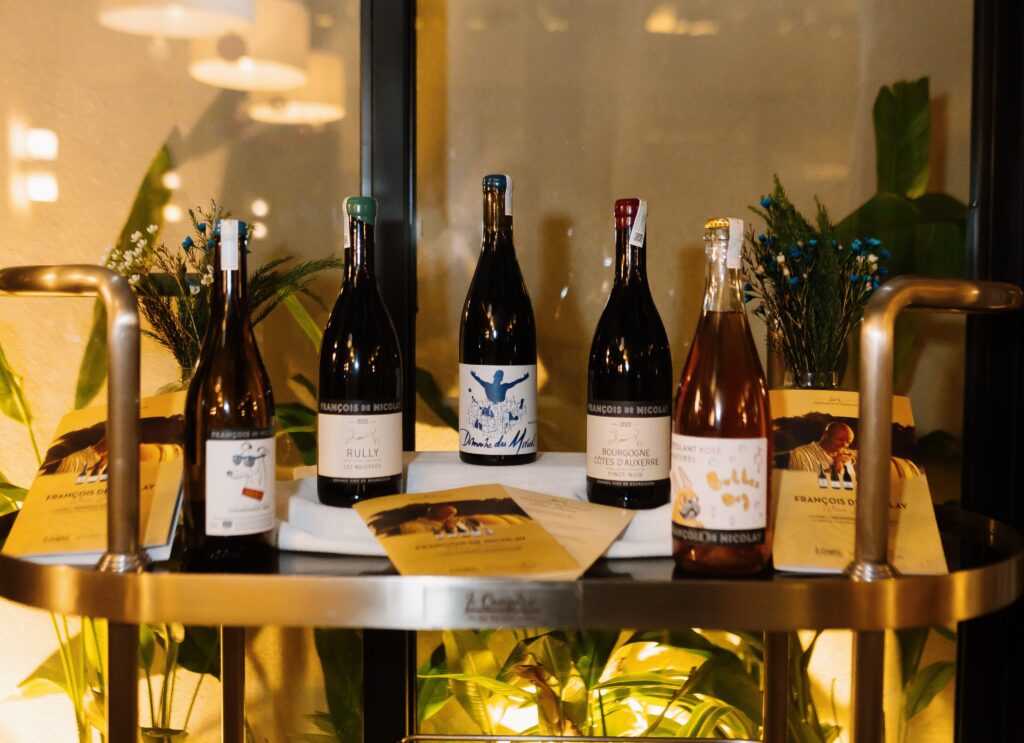
At Le Comptoir, the wine program is a cornerstone of its identity, elevating it to the best restaurant Da Nang for wine enthusiasts. Led by co-founder and expert Sommelier Myriam Moretto – who brings prestigious experience from Michelin-starred venues across Europe and Asia – the restaurant offers a pairing journey that is deeply integrated into the culinary narrative. Guests at this Michelin-Selected restaurant can enjoy a diverse selection of Old and New World wines, with flexible options ranging from full six-glass pairings to curated “Sommelier’s Choice” selections and premium non-alcoholic alternatives.
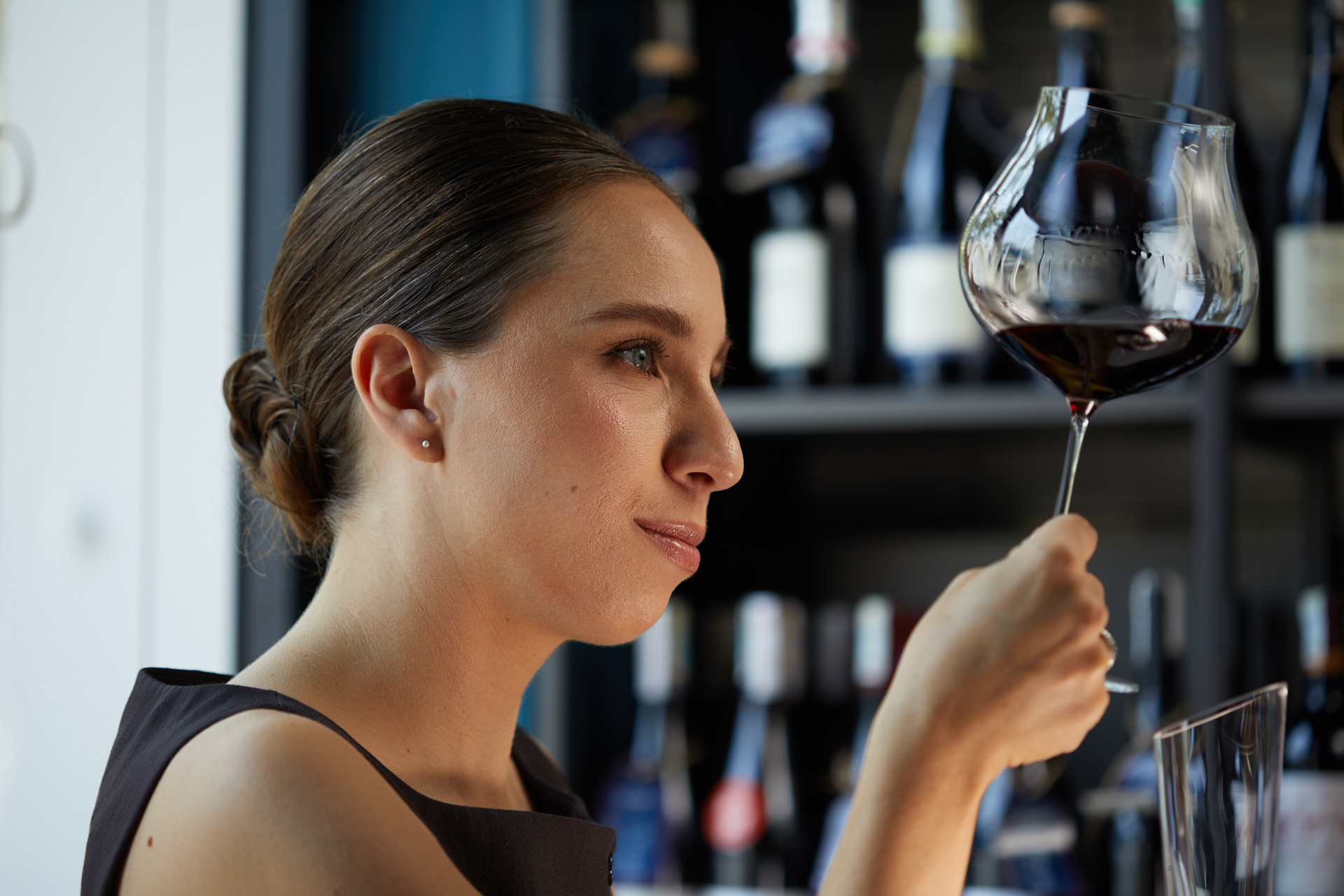
The synergy between Chef Olivier Corti’s seasonal French cuisine and Myriam’s world-class expertise ensures that every pairing adds depth, balance, and a clear narrative arc to the meal. Rather than a standard bottle service, Le Comptoir provides a structured, polished fine-dining wine experience that feels both refined and approachable. As the best restaurant in Da Nang for a comprehensive, expert-led wine pairing — and a proud recipient of the prestigious Wine Spectator Award of Excellence — Le Comptoir is a premier Michelin-Selected restaurant that warrants a reservation well in advance.
Discover The Signature menu at Da Nang’s premier Michelin-Selected destination, paired with an award-winning wine experience. Elevate your evening and secure your reservation at Le Comptoir now.
FAQ
Should I do wine pairing or order wine separately?
Choose wine pairing if you want a sommelier-curated experience matched across courses. Order separately if you prefer full control over your bottle choice, pacing, and budget. Michelin inspectors explicitly note that some diners prefer full pairings, while others ask the sommelier for only two or three tailored pours.
Is wine pairing necessary in fine dining?
No, but it can significantly improve the meal. Michelin’s guidance is clear that the right drink can elevate the food and change the experience of the dinner, especially when the pairings are chosen to support rather than compete with the dishes.
What foods are hardest to pair with wine?
Very spicy dishes, bitter greens, highly acidic dishes, and umami-heavy foods are often the hardest. WSET notes that spice can make alcohol and tannin feel harsher, while umami can make wines seem more bitter and less fruity.
What wines are suitable for French dishes?
Pair wines by matching regional origins or by balancing rich sauces with high-acid whites and heavy meats with tannic reds. Aim to mirror the intensity of the dish to ensure neither the food nor the wine overwhelms the other.

 EN
EN  VI
VI  KO
KO  CN
CN  JA
JA